Skip to content
Preserving the ‘Kane’ identity,
The island time forgot.
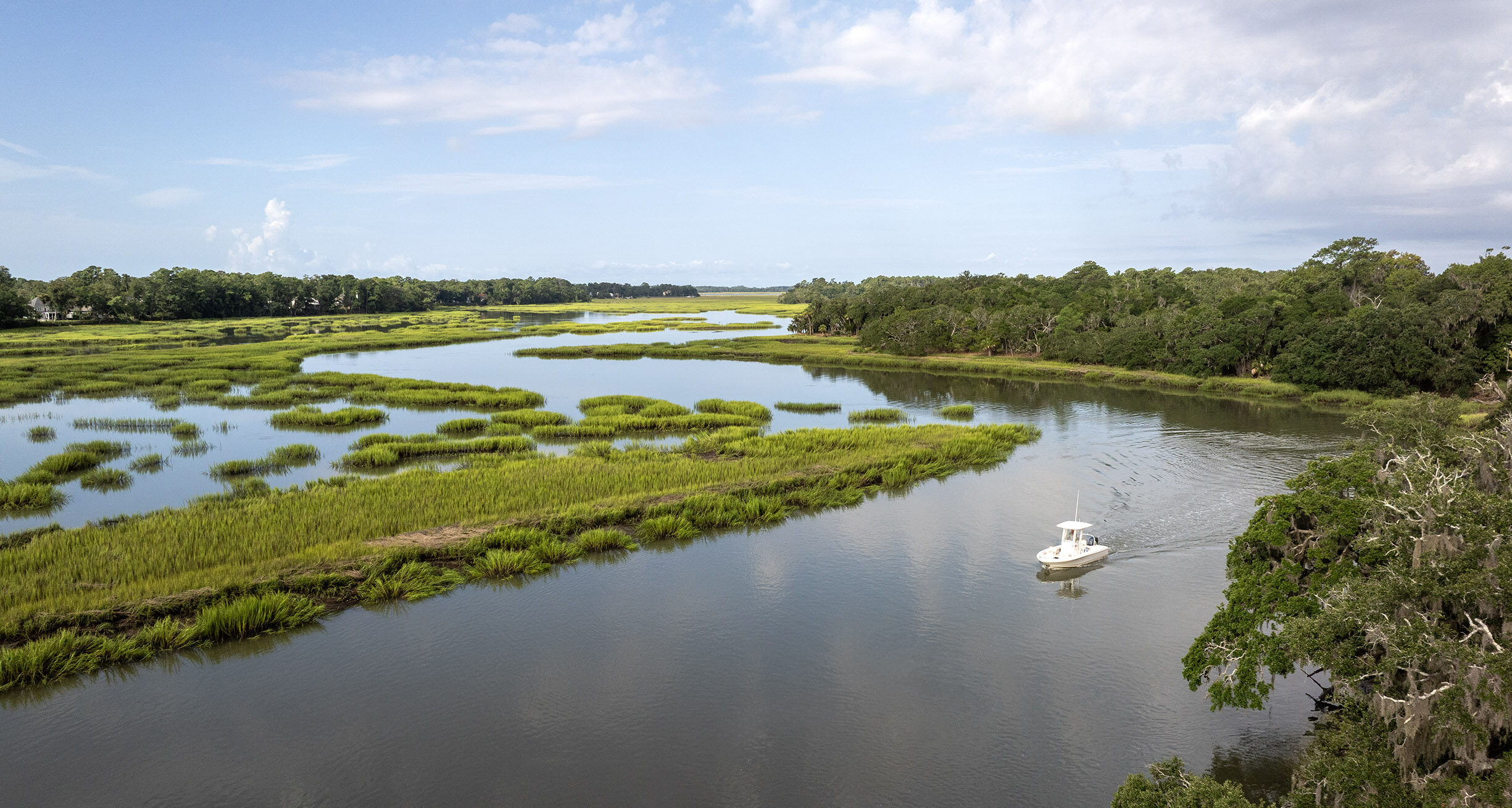
How is it possible, this island, these meadows and fields, this delicate shoreline was forever untouched?
When we first encountered Kane,
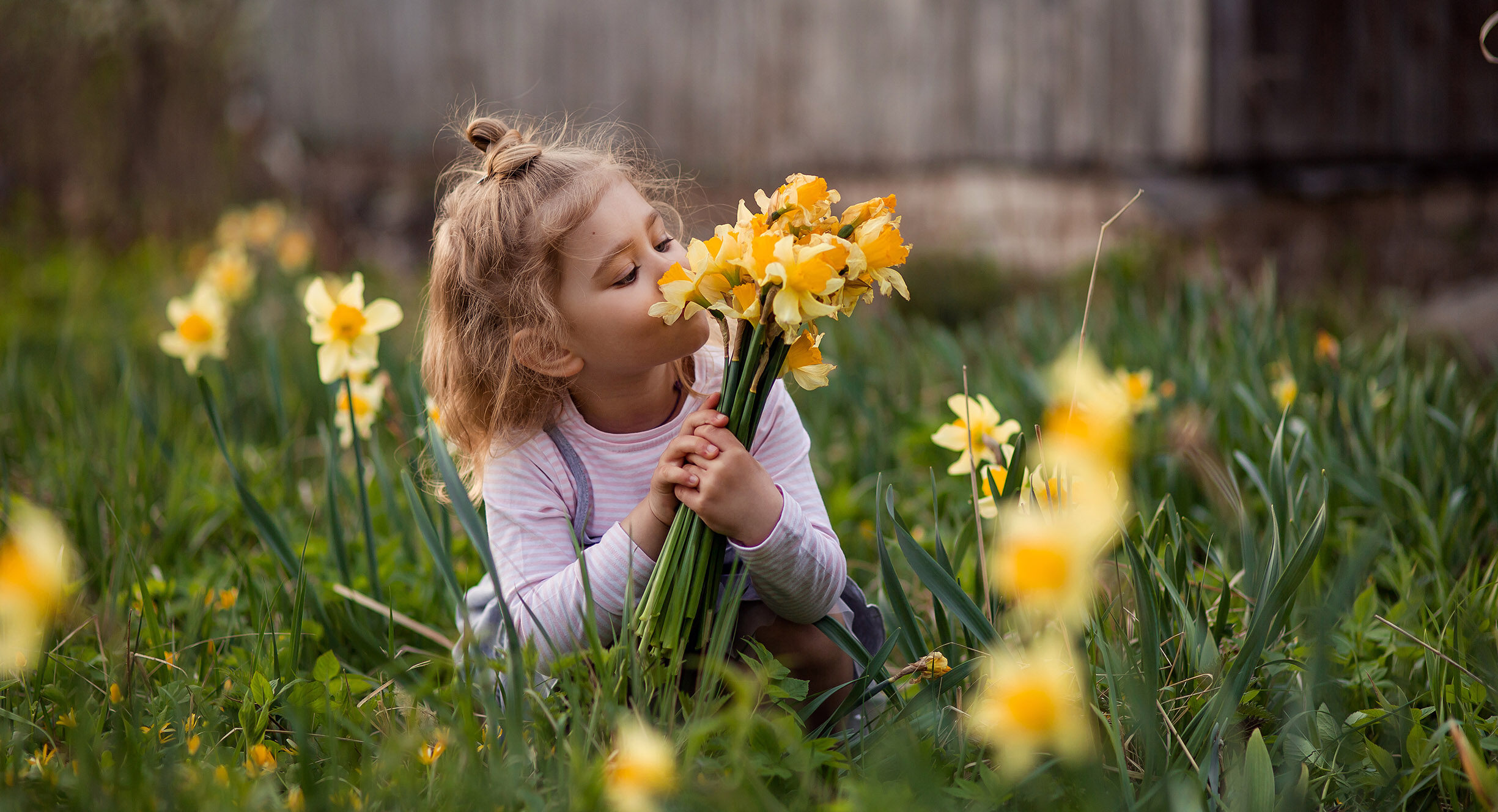
the simple fact that it had somehow survived the 20th century felt like we discovered a miracle. With little evidence of man’s imposition other than fallow daffodil fields and an old barn, every part of this place felt like a pristine memory that bought back the days of barefooted childhood, catching fiddler crabs at low tide, swinging under a live oak while smells of fresh bread said it was almost supper time. So, while the property was entitled for a much denser mixed-used community, the historic and ecological integrity of this place was such that it deserved better.
The farming days are still fondly remembered. We feel fortunate to come in and create a better future for this place true to its past. We envision fields of flowers, gardens, and vegetables that connect the community to the culinary arts.
Preserving the ‘Kane’ identity,
and so much more.
Kane Island, originally Upper Cane Island, was one of the many landholdings of the prominent Trask family of Beaufort, South Carolina. The Trasks were enterprising farmers, and the traditions of this place revolve around providing food – vegetables grown under the ‘Kane’ brand were found all along the eastern seaboard. The agrarian roots at Kane are deep, and we’re honoring that name. In later years, the field turned to waves of daffodils. There was an annual daffodil festival, where generations gathered for the days warmed by sunshine, music and the traditional foods of the Lowcountry.
The entitlements allowed a dense, New Urbanist style community. These may be fine elsewhere, but here would have obliterated the natural history. Instead, we framed Kane Island around the ecology and history, then painted the picture with the traditions — the foodways, the gardens, the way families eat together, the music and art. That’s what will make it real, and true to its past.
“After 25 years of placemaking, I know there’s nothing better than arriving at a – natural or built – and feeling at home. That’s what we strive to create at Kane. We respond uniquely to the land, to its history and topography. It isn’t about formulas; it’s about making a place that belongs, and Daniel has a track record of doing exactly that.”